Introduction
When diving into a telehealth implementation project, one quickly realizes that it’s not just software and services that matter—the right selection and integration of devices play a starring role too. These devices empower clinicians to deliver care remotely, collect vital health data, and keep the experience seamless for both patient and provider. Let’s embark on a journey through the landscape of must-have telehealth devices and their contributions to the virtual care ecosystem.
Vitals Collection Devices
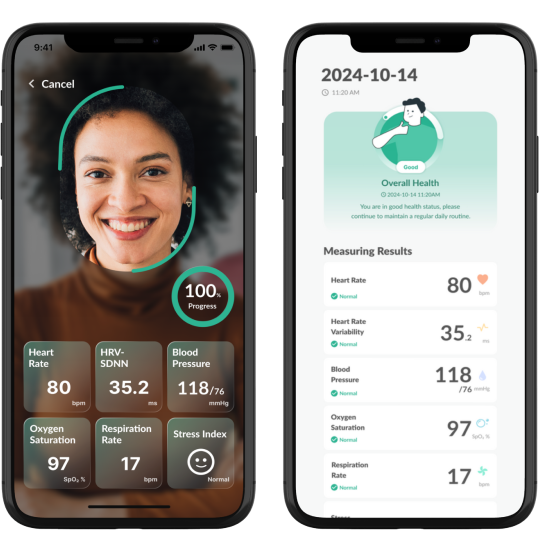
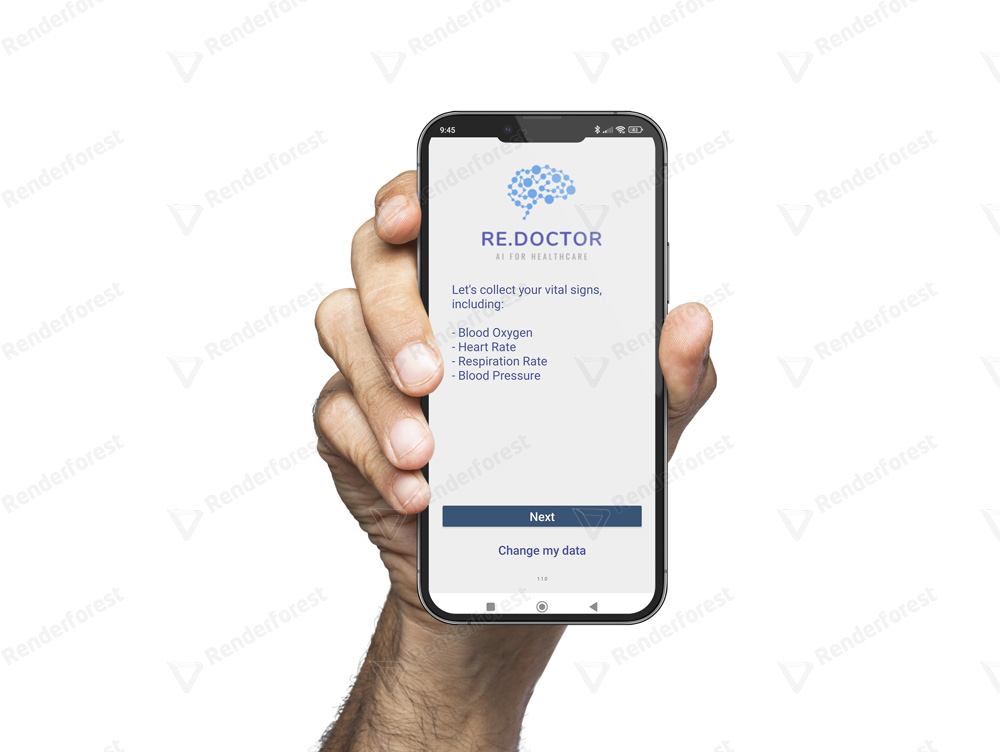
Central to telehealth’s efficacy are devices dedicated to reliably collecting and transmitting patient vital signs. These include digital thermometers, blood pressure monitors, pulse oximeters, glucometers, and weight scales. Modern versions of these tools connect wirelessly to telehealth platforms, allowing for real-time data sharing with clinicians. This integration makes it possible to monitor chronic diseases, manage acute episodes, and flag concerns early—all without requiring patients to leave their homes.
Smart Vital Sign Monitors
Some advanced systems bundle several vital signs into a single, user-friendly device—think smart cuffs or multi-parameter monitors. These units often sync with mobile apps or provider dashboards, giving clinicians clear oversight and reducing the need for manual record-keeping.
Wearables
Wearable technology has dramatically expanded the reach and utility of telehealth. Devices like smartwatches and fitness trackers do far more than count steps—they monitor heart rate, ECG, oxygen saturation, sleep patterns, and even detect falls. More sophisticated medical-grade options can capture arrhythmias or track physical activity in rehab programs. The continuous flow of passive data offers providers unprecedented insight into a patient’s day-to-day health, supporting preventive care and timely interventions.
Medical Devices and Connected Equipment
The menu of connected medical devices in telehealth is growing rapidly. Some of the standouts include:
Digital Stethoscopes: These transmit heart and lung sounds securely, enabling virtual auscultation.
Otoscope Cameras: Equipped with secure video feeds, these let providers remotely examine the ears, throat, or skin.
Portable Ultrasound Devices: Used in specialized tele-consults for remote diagnostics, often paired with a smartphone or tablet for image sharing.
ECG Monitors: Compact units can deliver full cardiac tracings for virtual cardiology visits.
When integrated with telehealth software, these devices enhance clinical accuracy and expand the types of visits that can be safely delivered remotely.
Communications and Access Devices
At the core of any telehealth interaction are the devices making it all possible:
Smartphones and Tablets: Accessible, familiar, and widely adopted by providers and patients alike for video consults and messaging.
Laptops/Desktops: Often preferred for provider use in clinics, with larger screens supporting detailed record review and multi-party calls.
Kiosks and Peripheral Hubs: In clinics, schools, or rural outposts, these provide patients access to telehealth using built-in cameras, microphones, and optional medical peripherals.
Accessibility and Specialized Equipment
To ensure equity, some telehealth programs offer devices tailored to patients with specific needs:
Braille Displays and Adaptive Interfaces: For those with visual impairments.
Amplified Headsets or TTY Devices: Enhancing communication with the hard of hearing.
Language Translation Devices: Supporting real-time interpretation during virtual visits.
Integration and Security Considerations
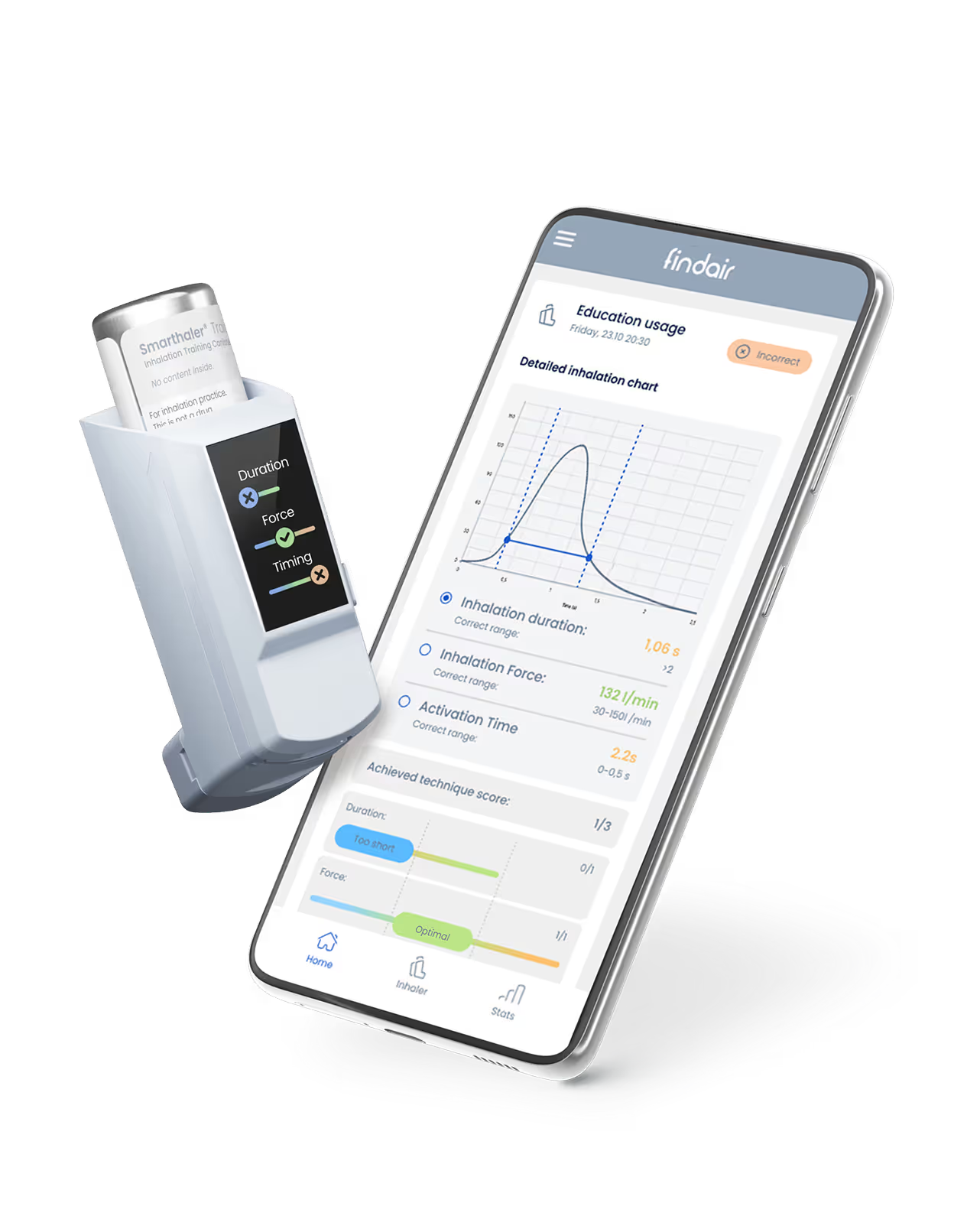
Every device brought into the telehealth fold must comply with rigorous data security measures. This means secure data transmission, encrypted wireless connectivity, regular firmware updates, and compatibility with telehealth platforms. IT teams work to ensure a seamless bridge from device to provider, minimizing friction and maximizing clinical value.
Conclusion
Telehealth’s promise hinges on more than just great software and talented clinicians. It’s the thoughtful deployment of diverse, secure, and user-friendly devices—from basic vital sign monitors to high-tech wearables—that brings remote care to life. With the right device ecosystem, telehealth becomes a rich, flexible, and reliable avenue for care, wherever patients might be.

 English
  Español
  Italiano
  العربية
  Deutsch
  Русский
