
Heart Rate Variability (HRV) as an “Early Warning Scale”
- November 23, 2025
- ravcare.com
- 0
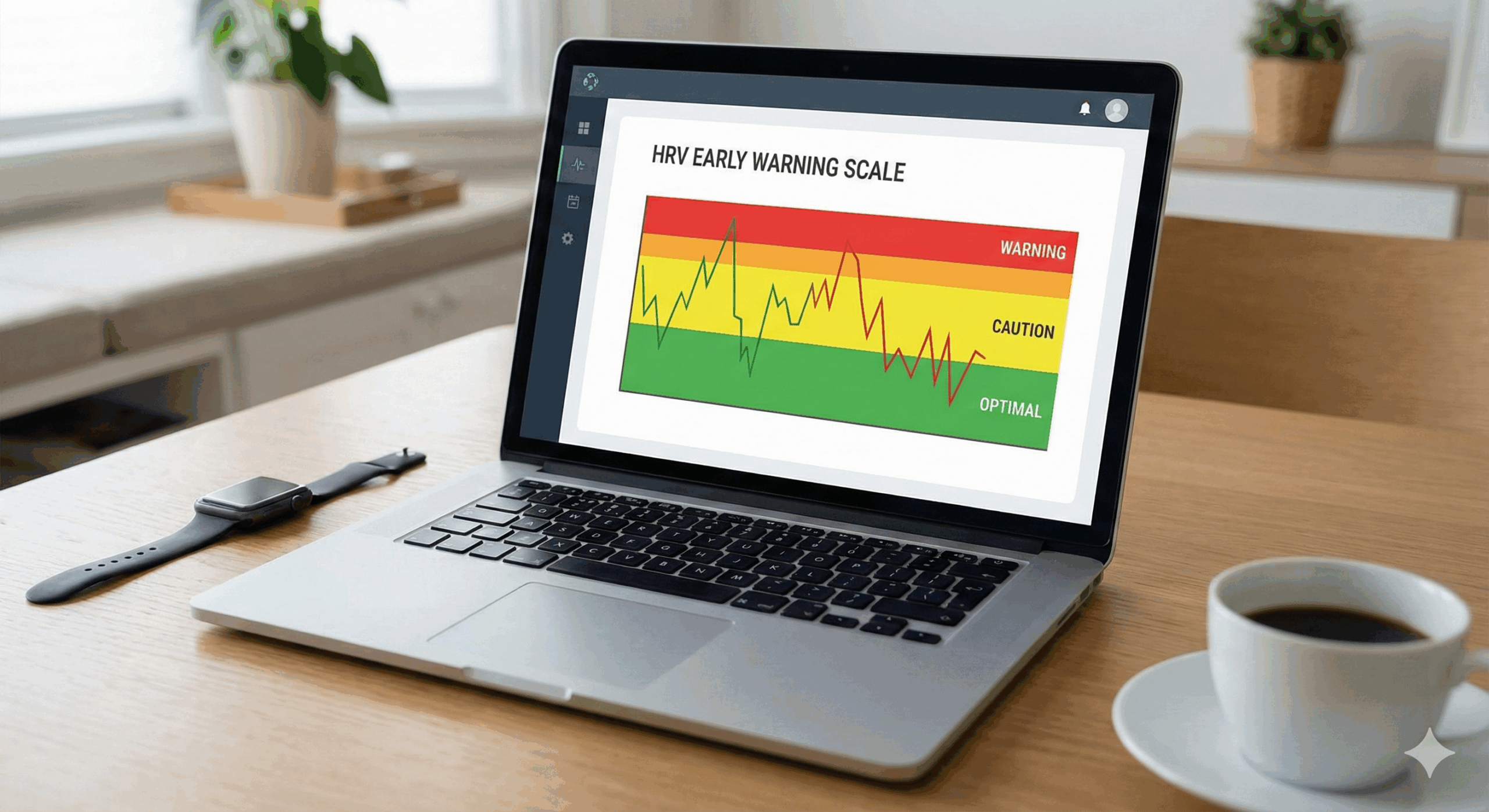
.Based on current medical guidelines and research, here is how Heart Rate Variability (HRV) as an “early warning scale” impacts pediatric diabetes screening:
The Short Answer
Currently, HRV is not a standard, universally recommended screening tool in routine pediatric diabetes care. While research clearly shows it can detect early, subclinical cardiac autonomic neuropathy (CAN) in children, major guidelines (like those from the ADA and ISPAD) prioritize other screening methods first.
However, HRV is increasingly recognized as a powerful research tool and an emerging secondary screening method for high-risk youth to detect nerve damage long before traditional symptoms appear.
Detailed Breakdown
1. Current Standard Screening vs. HRV Potential
Standard of Care: The primary focus of pediatric diabetes screening is on diagnosing diabetes itself (via blood glucose/HbA1c) and screening for established complications. For neuropathy, guidelines recommend starting annual foot exams (checking reflexes, sensation to touch/vibration) at puberty or after having diabetes for 2-5 years.
HRV’s “Early Warning” Role: Reduced HRV is widely accepted as the earliest indicator of CAN, detecting damage to the vagus nerve before any clinical symptoms (like resting fast heart rate or dizziness) or abnormalities in standard reflex tests appear. Studies have shown that a significant percentage of asymptomatic children with type 1 diabetes already have reduced HRV, indicating subclinical nerve damage.
2. Why HRV is Not Yet Routine Standard of Care
Despite its potential, several barriers prevent HRV from being a primary screening tool in every pediatric clinic:
Lack of Standardized Cut-offs: There are no universally agreed-upon “normal” HRV values for children of different ages and pubertal stages.
Measurement Variability: HRV can be easily influenced by time of day, stress, breathing rate, and recent activity, making it tricky to get consistent baseline measurements in a busy pediatric clinic.
Equipment and Training: While technology is improving, obtaining high-quality ECG recordings and interpreting the data requires specific equipment and trained personnel that may not be available in primary care settings.
Focus on Primary Prevention: The main strategy for preventing neuropathy in kids is achieving optimal blood sugar control. Current guidelines emphasize this over early detection of subclinical dysfunction, as the treatment remains the same (better glycemic control).
3. Emerging Use Cases for HRV in Pediatric Diabetes
While not routine for everyone, HRV is becoming more relevant in specific scenarios:
Identifying High-Risk Patients: HRV testing may be useful for children with longstanding diabetes, poor glycemic control (high HbA1c), or other complications, as they are at higher risk for CAN.
Research Studies: HRV is extensively used in clinical trials to evaluate the impact of new treatments or interventions on autonomic nerve health.
Future Potential with Wearables: As wearable technology (like smartwatches) becomes more accurate and widespread, continuous HRV monitoring could become a feasible, non-invasive way to track autonomic health over time, potentially alerting doctors to declining nerve function between clinic visits.
 English
  Español
  Italiano
  العربية
  Deutsch
  Русский